
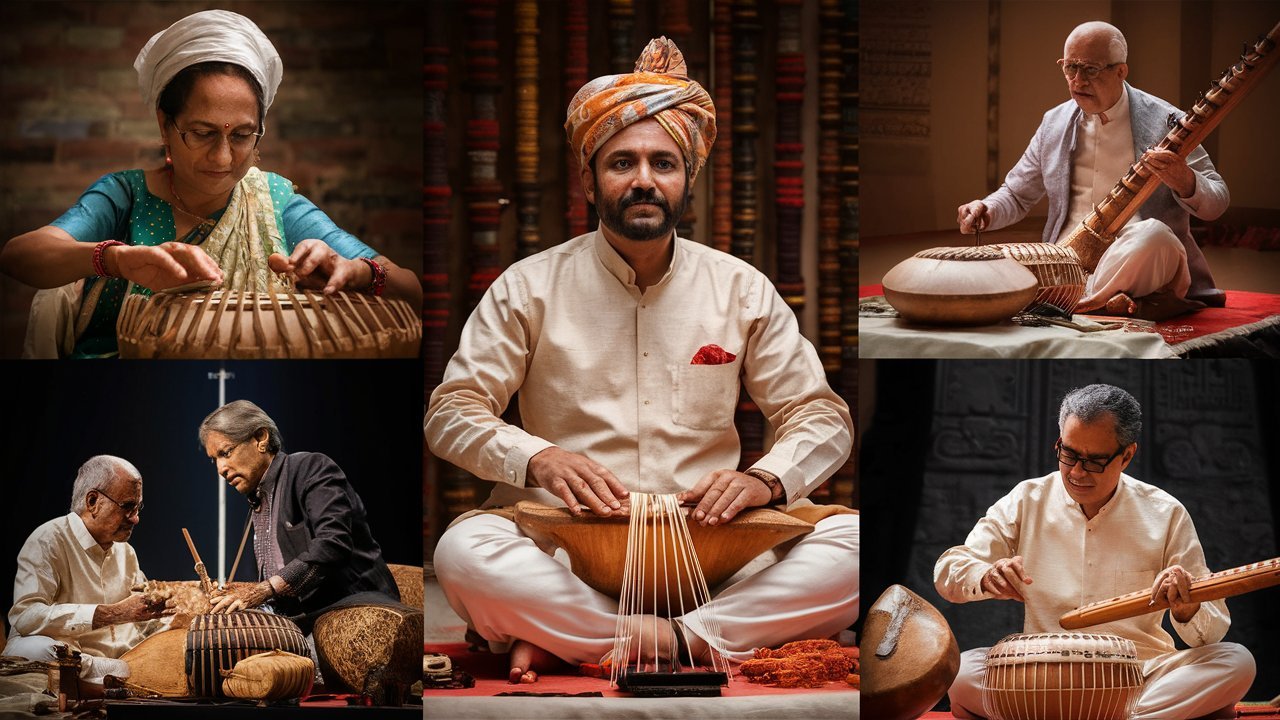
The word Hitaar carries a sense of mystery and depth, inviting curiosity about its origins, interpretations, and significance across different contexts. Whether encountered as a name, a cultural term, a symbolic expression, or a conceptual idea, Hitaar has the potential to represent identity, heritage, and evolving meaning in a modern world shaped by globalization and digital communication. In many cases, unique words like Hitaar gain importance not only because of their linguistic roots but also because of how communities adopt, reinterpret, and give them new life through stories, traditions, and contemporary usage. Understanding Hitaar requires exploring its possible meanings, tracing its background, and examining how it resonates today in cultural, social, and creative spaces.
This article offers a comprehensive exploration of Hitaar, discussing its possible origins, symbolic interpretations, cultural value, and modern relevance. By examining the keyword from multiple perspectives, readers can gain a deeper understanding of what Hitaar represents and why it may hold significance in both traditional and contemporary settings.
The Meaning of Hitaar
The meaning of Hitaar can vary depending on linguistic and cultural context. In some interpretations, Hitaar may function as a proper name, carrying personal or familial importance. Names often hold symbolic weight, representing qualities such as strength, wisdom, honor, or spiritual depth. If Hitaar is used as a name, it may signify individuality and heritage, connecting a person to ancestral roots or cultural identity.
Beyond its use as a name, Hitaar can also be interpreted as a conceptual term that evokes ideas of unity, tradition, or emotional expression. Words that are not widely standardized sometimes gain meaning through usage rather than formal dictionary definitions. In such cases, Hitaar becomes meaningful because communities give it context, stories, and emotional value. This organic development of meaning reflects how language evolves and adapts over time, making Hitaar a living expression shaped by those who use it.
Origins and Linguistic Background of Hitaar
Exploring the origins of Hitaar involves considering linguistic influences and regional variations. Many unique words emerge from blending languages, dialects, or cultural influences. Hitaar could have roots in regional dialects, poetic traditions, or oral storytelling practices where words evolve phonetically over generations. Such evolution often results in distinctive spellings and pronunciations that differentiate a term from its original form.
In linguistic terms, words like Hitaar may reflect phonetic harmony, where sound patterns contribute to memorability and emotional resonance. The repetition of vowels and the smooth transition between syllables give the word a rhythmic quality. This musicality can enhance its appeal, particularly in artistic or literary contexts. Even if historical documentation of Hitaar is limited, its structure suggests that it may have been shaped by expressive speech traditions, where sound and meaning are deeply intertwined.
Cultural Significance of Hitaar
The cultural significance of Hitaar lies in how it is embraced by communities. Cultural identity is often reinforced through language, and distinctive terms like Hitaar can symbolize belonging and shared heritage. In communities where oral tradition plays a strong role, a word like Hitaar might appear in songs, proverbs, or storytelling, carrying symbolic messages about values, relationships, or spirituality.
Cultural significance also emerges when a term becomes associated with rituals, celebrations, or collective experiences. Even if Hitaar began as a personal name or local expression, it may grow to represent broader ideals such as unity, resilience, or continuity across generations. In this way, Hitaar becomes more than just a word; it becomes a marker of cultural continuity and shared memory.
Hitaar in Modern Contexts
In today’s digital era, words can travel far beyond their place of origin. Hitaar may appear on social media, websites, creative platforms, or branding initiatives, gaining new layers of meaning as it reaches wider audiences. The internet allows unique terms to evolve rapidly, sometimes transforming from niche expressions into recognizable identifiers within specific online communities.
Modern usage of Hitaar might include its adoption as a brand name, artistic project title, or digital identity. The uniqueness of the term makes it memorable and searchable, qualities that are valuable in a crowded online environment. As digital culture encourages innovation and personalization, words like Hitaar can gain renewed significance, representing creativity, originality, and global connectivity.
Symbolism and Interpretation of Hitaar
Symbolically, Hitaar may represent themes such as connection, heritage, or transformation. Words with strong phonetic presence often evoke emotional responses, even when their literal meaning is not universally defined. This symbolic openness allows individuals to project their own interpretations onto the term, making it personally meaningful.
For some, Hitaar could symbolize a bridge between past and present, honoring tradition while embracing change. For others, it may reflect uniqueness and individuality in a world where personal branding and identity are increasingly important. The flexibility of its interpretation is part of its strength, enabling Hitaar to resonate with diverse audiences across different contexts.
The Future Relevance of Hitaar
The future relevance of Hitaar depends largely on how it continues to be used and shared. Language evolves through repetition, adaptation, and cultural exchange. If communities continue to adopt and reinterpret Hitaar, it may gain broader recognition and a more defined place within linguistic or cultural discourse.
In a globalized world where unique identifiers are highly valued, Hitaar has the potential to stand out as a distinctive term. Whether used in literature, art, business, or digital communication, its adaptability ensures that it can remain relevant. As new generations reinterpret language through technology and creativity, Hitaar may acquire additional meanings that reflect contemporary values and aspirations.
Conclusion
Hitaar is more than just a word; it is a concept shaped by interpretation, culture, and evolving usage. Its meaning may vary depending on context, but its uniqueness gives it lasting appeal. By examining its possible origins, cultural significance, symbolic interpretations, and modern relevance, we see how Hitaar embodies the dynamic nature of language itself. Words gain power through the people who use them, and Hitaar serves as an example of how identity, tradition, and creativity intersect in a single expression. As language continues to evolve in the digital age, Hitaar stands as a reminder that meaning is not fixed but constantly shaped by human experience.
Frequently Asked Questions (FAQs)
1. What does Hitaar mean?
The meaning of Hitaar depends on context. It may function as a name, a cultural term, or a symbolic expression. In many cases, its significance comes from how individuals or communities use and interpret it rather than from a strict dictionary definition.
2. Is Hitaar a traditional word?
Hitaar may have traditional roots, especially if it originates from regional dialects or oral storytelling traditions. However, its precise historical background may vary depending on cultural context.
3. Can Hitaar be used as a brand or project name?
Yes, the uniqueness of Hitaar makes it suitable for branding, creative projects, or digital identities. Its distinct sound and spelling help it stand out in modern online environments.
4. Why is Hitaar considered culturally significant?
Hitaar can be culturally significant when it represents shared heritage, identity, or symbolic values within a community. Words often gain importance through repeated use and collective meaning.
5. How can I use Hitaar in writing or creative work?
You can use Hitaar as a thematic concept, character name, symbolic motif, or title in creative projects. Its open-ended meaning allows flexibility and personal interpretation, making it adaptable across genres and mediums.
