
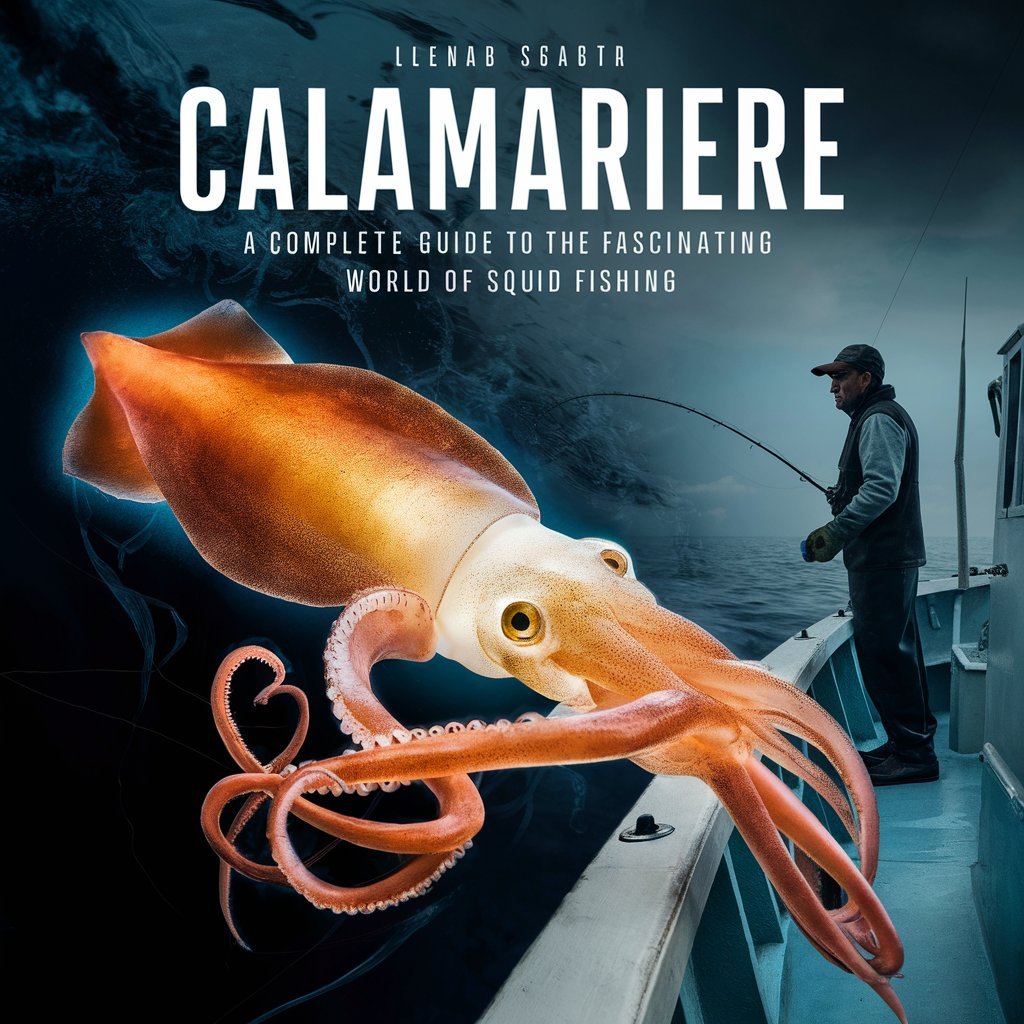
The term calamariere may be unfamiliar to many, yet it holds a significant place in both culinary and fishing traditions. Originating from Mediterranean regions, a calamariere refers to specialized lures or tools used in squid fishing. Unlike regular fishing methods, squid fishing requires precision, patience, and specific equipment designed to mimic the natural movements of prey. Understanding calamariere not only opens the door to more successful fishing experiences but also deepens our appreciation for cultural practices tied to the sea. From its historical use to modern innovations, the calamariere represents the intersection of tradition, skill, and technology in fishing. In this article, we will explore what calamariere are, their types, how to use them effectively, and their broader significance in culinary and recreational fishing.
What is a Calamariere?
At its core, a calamariere is a fishing lure designed specifically to attract squid. Unlike fish, squids are highly visual predators, reacting to movement, shape, and color. Calamariere come in a variety of designs, from simple hook-and-feather models to advanced, multi-colored artificial lures. The effectiveness of a calamariere depends on its ability to replicate the small prey that squids naturally hunt, such as small fish or crustaceans. For fishermen, understanding how to select the right calamariere for the target species and environmental conditions is crucial. Factors like water clarity, depth, and time of day influence which design and color work best. Historically, calamariere were crafted by hand using natural materials, but today, modern versions use plastic, glow-in-the-dark coatings, and realistic textures to maximize success.
History and Cultural Significance of Calamariere
Calamariere are more than just tools—they are part of a long-standing tradition in coastal communities. In Mediterranean countries such as Italy, Spain, and Greece, squid fishing has been both a livelihood and a culinary cornerstone for centuries. Traditional calamariere were handcrafted from wood, feathers, and metal, often passed down through generations of fishermen. These tools reflect not only the ingenuity of local communities but also their deep understanding of squid behavior. Beyond Europe, calamariere have been adapted in Japan and South Korea, where squid fishing is a popular seasonal activity and an essential part of the seafood industry. The cultural significance extends to cuisine: fresh squid caught using calamariere often becomes a prized ingredient in dishes like calamari fritti, stuffed squid, and sushi. In this sense, the calamariere connects the art of fishing to the art of cooking.
Types of Calamariere
There are several types of calamariere, each designed to suit specific fishing conditions or species. The most common types include:
-
Jig-style Calamariere: These lures feature multiple hooks arranged in a circular pattern, designed to snag the squid’s tentacles when it strikes. They often include reflective or luminescent coatings to attract attention.
-
Glow-in-the-dark Calamariere: Effective for night fishing or deep waters, these lures emit a subtle light that mimics the bioluminescence of prey, triggering squid to strike.
-
Soft Plastic Calamariere: Made from flexible, lifelike materials, these lures replicate the swimming motion of small fish or shrimp.
-
Traditional Feathered Calamariere: Handmade with natural feathers and painted shafts, these are still favored in artisanal fishing communities for their effectiveness and cultural value.
Choosing the right type of calamariere depends on the environment, target squid species, and personal fishing style. Experienced fishermen often carry multiple types to adapt to changing conditions.
How to Use a Calamariere Effectively
Using a calamariere requires more than casting it into the water. Squid are highly responsive to movement, so the lure must be manipulated to simulate a struggling prey. Techniques include:
-
Jigging: Repeatedly raising and lowering the lure to create an enticing motion.
-
Pausing: Allowing the lure to hover in the water column, giving the squid time to investigate.
-
Varying Speed: Adjusting the retrieval speed can make the lure appear more natural.
Patience and observation are key. Fishermen often spend hours adjusting their approach, noting how squid respond to light, lure color, and movement. Successful use of a calamariere is both a science and an art, blending technical knowledge with intuition developed through experience.
Calamariere in Modern Fishing and Cuisine
Today, calamariere have expanded beyond traditional fishing. Commercial fisheries use advanced lures for mass squid harvesting, while recreational fishermen enjoy the challenge and satisfaction of targeting squid with specialized gear. Moreover, the demand for fresh squid in restaurants has elevated the importance of effective calamariere. Chefs prize squid for its delicate flavor and versatility, whether in Mediterranean recipes, Asian stir-fries, or sushi. This dual connection to both sport and culinary arts makes calamariere a bridge between fisherman and table, reflecting a sustainable approach to seafood consumption when used responsibly.
Conclusion
The calamarieriheart.com is far more than a simple fishing tool; it embodies centuries of tradition, innovation, and expertise in squid fishing. From handcrafted feathered lures to modern glow-in-the-dark designs, calamariere demonstrate how humans have adapted to the challenges of fishing while respecting the creatures of the sea. Whether you are a professional fisherman, a culinary enthusiast, or simply someone curious about maritime practices, understanding calamariere opens a window into a world where skill, patience, and respect for nature intersect. With the right knowledge and tools, squid fishing becomes not just an activity, but a rewarding experience that connects history, culture, and cuisine.
Frequently Asked Questions (FAQs)
Q1: What is the difference between a calamariere and a regular fishing lure?
A calamariere is specifically designed for squid, focusing on visual appeal, movement, and light reflection to mimic prey. Regular lures are often designed for fish and may not attract squid effectively.
Q2: Can I use a calamariere in freshwater?
While calamariere are primarily designed for saltwater species, some lures can be adapted for freshwater squid or related cephalopods if present.
Q3: Do calamariere work at night?
Yes, especially glow-in-the-dark or luminescent types. Squid are nocturnal hunters and are often more active at night.
Q4: Are there ethical concerns with using calamariere?
Using calamariere responsibly involves sustainable fishing practices, such as respecting quotas and avoiding overfishing. Artisanal and recreational use is generally considered ethical.
Q5: Where can I buy a calamariere?
They are available at specialized fishing stores, online marketplaces, and in regions where squid fishing is common. Choosing a reputable supplier ensures quality and effectiveness.
