
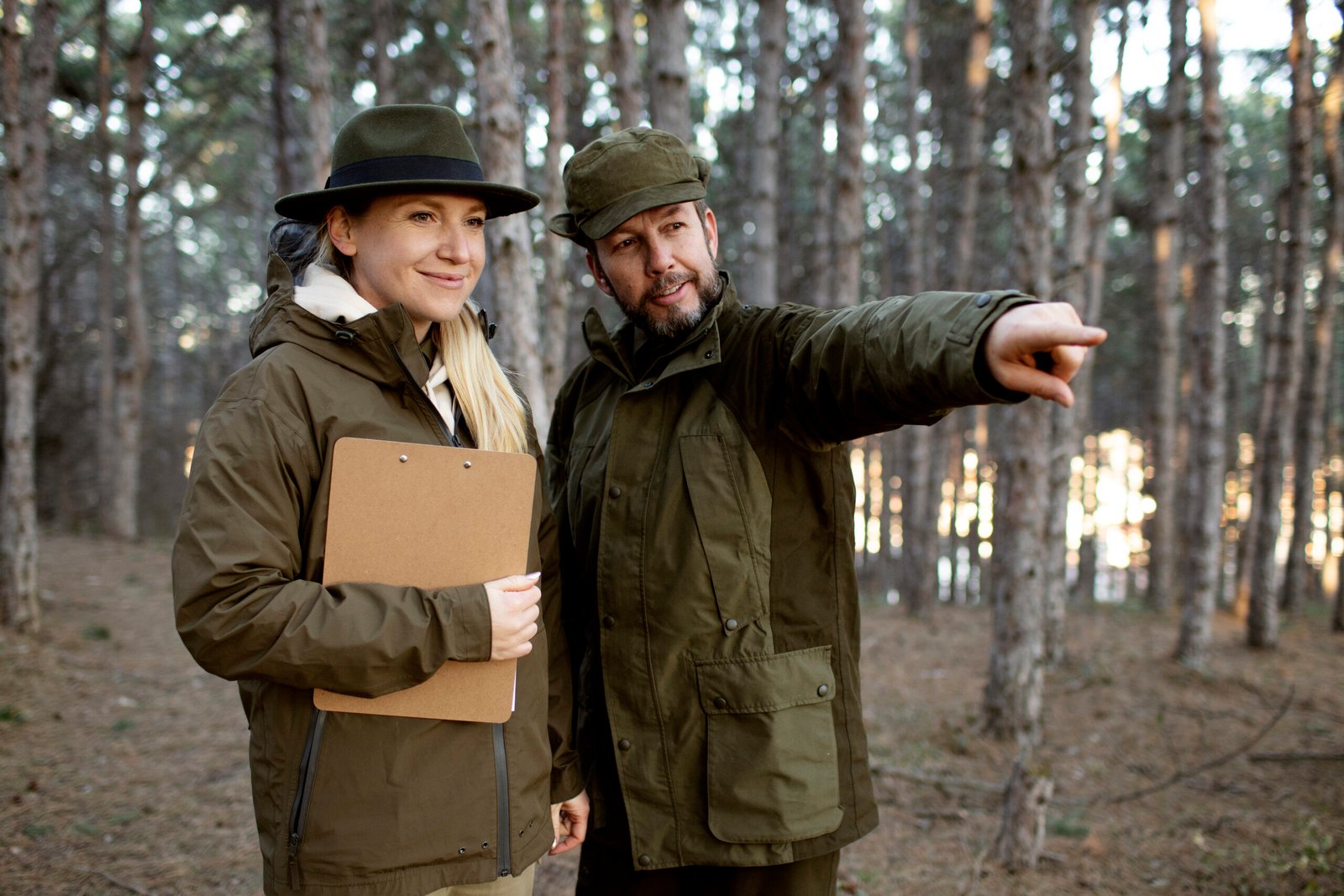
When it comes to outdoor protection, durability, and versatility, tarnplanen have become an essential solution for individuals, businesses, and outdoor enthusiasts. The word “tarnplanen” commonly refers to camouflage tarpaulins or heavy-duty protective covers used in various environments such as construction sites, camping grounds, agricultural fields, and military operations. A high-quality tarnplanen is designed not only to provide protection from harsh weather conditions like rain, wind, and UV rays but also to offer concealment and long-lasting performance in demanding situations. In this comprehensive guide, we will explore everything you need to know about tarnplanen, including their types, materials, benefits, applications, maintenance tips, and frequently asked questions. By the end of this article, you will have a clear understanding of how to select the right tarnplanen for your needs and how to maximize its durability and effectiveness.
What Is Tarnplanen and Why Is Tarnplanen Important?
Tarnplanen refers to a camouflage or heavy-duty tarpaulin sheet that is widely used for covering, protecting, and concealing objects or spaces in outdoor and industrial settings. The importance of tarnplanen lies in its ability to serve multiple purposes simultaneously, such as shielding equipment from environmental damage, maintaining privacy, and providing temporary shelter solutions. Unlike ordinary plastic sheets, tarnplanen are typically manufactured from reinforced polyethylene, PVC-coated polyester, or canvas materials that are engineered for strength and resilience.
The significance of tarnplanen becomes especially clear in unpredictable weather conditions, where rain, snow, and intense sunlight can damage machinery, vehicles, firewood, crops, or building materials. In addition to weather protection, the camouflage design of certain tarnplanen makes them suitable for hunting, camping, and tactical operations where blending into the surroundings is essential. Therefore, tarnplanen is not just a simple cover but a strategic protective investment for long-term outdoor use.
Types of Tarnplanen for Different Applications
Understanding the various types of tarnplanen is essential for selecting the most suitable option for your needs. There are lightweight tarnplanen designed for temporary and occasional use, as well as heavy-duty tarnplanen built for long-term and industrial applications. Lightweight tarnplanen are commonly used for camping trips, backyard storage, and short-term covering tasks. These are easy to fold, transport, and install, making them ideal for personal use.
On the other hand, heavy-duty tarnplanen are reinforced with multiple layers and thicker materials, making them resistant to tearing, water penetration, and UV exposure. These are commonly used on construction sites, farms, and large-scale storage facilities. Additionally, camouflage tarnplanen are specifically designed for blending into natural environments and are often used by hunters, outdoor survivalists, and military personnel. Each type of tarnplanen offers unique benefits, so understanding your primary use case is crucial before making a purchase decision.
Benefits of Using Tarnplanen for Outdoor Protection
One of the primary benefits of tarnplanen is its exceptional durability and weather resistance. High-quality tarnplanen can withstand extreme weather conditions, including heavy rainfall, strong winds, and prolonged sun exposure, without losing structural integrity. This makes tarnplanen a cost-effective protective solution for long-term outdoor use.
Another major benefit of tarnplanen is its versatility. It can be used as a temporary roof, groundsheet, vehicle cover, woodpile protector, agricultural shield, or privacy barrier. Because tarnplanen are often equipped with reinforced eyelets and strong edges, they can be securely fastened with ropes or bungee cords for stable installation. Additionally, camouflage tarnplanen provide visual concealment, which is especially valuable for outdoor recreational activities and tactical operations. The combination of strength, flexibility, and concealment makes tarnplanen a practical and reliable choice for many applications.
How to Choose the Right Tarnplanen
Selecting the right tarnplanen involves evaluating several important factors such as material, size, thickness, and intended use. The material of the tarnplanen determines its strength and longevity. Polyethylene tarnplanen are lightweight and waterproof, making them suitable for everyday outdoor protection, while PVC-coated tarnplanen offer superior durability and tear resistance for heavy-duty tasks.
The size of the tarnplanen should be carefully measured based on the object or area you intend to cover. It is always recommended to choose a slightly larger tarnplanen to ensure full coverage and secure fastening. Thickness is another crucial consideration, as thicker tarnplanen typically provide greater durability but may be heavier and less flexible. Finally, consider whether you require camouflage design for concealment or a standard protective cover for general use. By analyzing these factors, you can select a tarnplanen that delivers optimal performance and long-term value.
Maintenance and Care Tips for Tarnplanen
Proper maintenance of tarnplanen significantly extends its lifespan and ensures consistent performance. After each use, it is advisable to clean the tarnplanen by removing dirt, debris, and moisture. Washing it with mild soap and water helps prevent mold and mildew buildup, especially if it has been exposed to rain or damp conditions.
It is also important to allow the tarnplanen to dry completely before folding and storing it. Storing a wet tarnplanen can lead to unpleasant odors and material degradation over time. Regularly inspect the tarnplanen for small tears or damaged eyelets and repair them promptly using patch kits or reinforcement tape. By following these maintenance practices, you can maximize the durability and effectiveness of your tarnplanen for years to come.
Common Applications of Tarnplanen
Tarnplanen are widely used across various industries and personal activities due to their flexibility and reliability. In construction, tarnplanen protect building materials, scaffolding, and unfinished structures from weather damage. In agriculture, they are used to cover hay bales, crops, and farming equipment, ensuring protection from moisture and pests.
Outdoor enthusiasts use tarnplanen as camping shelters, ground covers, or makeshift tents. Hunters and survivalists rely on camouflage tarnplanen to create concealed observation points or temporary shelters in natural environments. Additionally, tarnplanen are frequently used for emergency response situations, where rapid shelter and coverage are required. The adaptability of tarnplanen makes them an indispensable tool in both professional and recreational settings.
Conclusion
In conclusion, tarnplanen are a versatile, durable, and cost-effective solution for outdoor protection and concealment. Whether you need a lightweight cover for camping, a heavy-duty shield for construction materials, or a camouflage tarp for tactical use, tarnplanen provide reliable performance in diverse environments. By understanding the types, materials, benefits, and maintenance practices associated with tarnplanen, you can make an informed purchasing decision that meets your specific needs. Investing in a high-quality tarnplanen not only ensures protection against harsh weather conditions but also enhances efficiency and peace of mind in outdoor operations.
Frequently Asked Questions (FAQ)
1. What is tarnplanen used for?
Tarnplanen is used for covering and protecting objects, materials, and outdoor spaces from weather damage, as well as for camouflage and concealment purposes.
2. Is tarnplanen waterproof?
Most tarnplanen are waterproof or highly water-resistant, especially those made from polyethylene or PVC-coated materials.
3. How long does a tarnplanen last?
The lifespan of a tarnplanen depends on its material, thickness, and maintenance, but high-quality heavy-duty tarnplanen can last several years with proper care.
4. Can tarnplanen be used for camping?
Yes, tarnplanen is commonly used for camping as a groundsheet, temporary shelter, or rain cover due to its durability and weather resistance.
5. How do I store tarnplanen properly?
To store tarnplanen properly, clean and dry it completely before folding, then keep it in a cool, dry place away from direct sunlight to prevent material degradation.
